Cross border medical tourism to the USA — a complete guide is a phrase that has transformed from a luxury travel trend into a vital lifeline for millions seeking affordable and advanced healthcare. Imagine being able to fly across the world to receive a world-class heart surgery or a specialized dental procedure at a fraction of the cost you would pay back home.
This isn’t just a dream; it is the reality of modern global health. In this detailed guide, we will explore exactly how this system works, why it is growing so fast, and how you can navigate it safely.
What is the meaning of cross-border medical tourism?
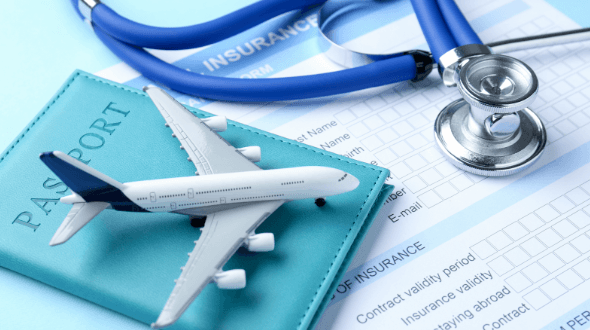
At its simplest, cross border medical tourism refers to the act of traveling outside of your home country specifically to receive medical, dental, or surgical care. While people have traveled for health for centuries, the modern version of this industry is powered by the “Global Health Passport” concept, where borders disappear for patients seeking better outcomes.
Whether it is a Canadian patient skipping a three-month waitlist for a hip replacement or a US citizen seeking affordable fertility treatments in Mexico, the goal is always the same: better care, lower costs, or faster service.
Patients often choose this path because their own country might have high costs, long waiting lists, or simply lack the specific technology needed for their condition. In 2026, we see a massive rise in “quality-sensitive” travelers who aren’t just looking for a bargain, but are looking for the absolute best specialists in the world, regardless of where they are located. MediPocket USA has been at the forefront of this movement, helping patients connect with top-tier American specialists through digital and physical pathways.
Why are people choosing cross border medical tourism in 2026?
The primary driver behind the surge in cross border medical tourism is the widening gap in healthcare affordability and accessibility across nations. In high-income countries, the cost of elective surgeries can be astronomical, often reaching tens of thousands of dollars for procedures not covered by insurance. By traveling across borders, patients can save anywhere from 40% to 80% on the total cost of their care.
Interestingly, it is not just about the money anymore. Many patients choose cross border medical tourism to access “breakthrough” medicines and clinical trials that haven’t been approved in their home regions yet. For instance, advanced gene therapies or personalized cancer vaccines might be available in the United States or Germany while still being years away from approval in other countries. This “access to innovation” has become a major motivation for international patients who refuse to wait while their health is on the line.
How does the cross border medical tourism process actually work?
Understanding how cross border medical tourism works is the first step toward a successful medical journey. Usually, the process begins with a patient identifying a medical need and realizing that local options are insufficient. From there, the journey typically follows a structured roadmap to ensure safety and continuity of care.
- Initial Research and Virtual Consultation: The patient connects with a hospital or a facilitator to share their medical records.
- Treatment Plan and Quote: The medical team reviews the case and provides a detailed cost estimate and timeline.
- Logistics and Travel: This includes applying for medical visas, booking flights, and arranging recovery-friendly accommodation.
- The Procedure and Recovery: The patient travels, undergoes the surgery, and stays in the destination country for the initial recovery period.
- Follow-up and Aftercare: Once back home, the patient continues their recovery with remote support from the operating surgeon.
During this entire cycle, cross border medical tourism relies heavily on digital communication. Telemedicine has made it possible for a doctor in California to talk to a patient in Dubai before they ever board a plane. This digital handshake builds the trust necessary for a patient to fly thousands of miles for surgery.

What are the most popular procedures in cross border medical tourism?
While almost every medical specialty is available abroad, certain procedures dominate the cross border medical tourism market. Historically, cosmetic surgery and dental work were the biggest draws because they are rarely covered by insurance and have predictable recovery times. However, we are now seeing a shift toward much more complex, life-saving interventions.
Cardiac surgeries, orthopedic joint replacements, and fertility treatments (IVF) are now high-demand services. Furthermore, “Oncology Tourism” is a rapidly growing segment where patients travel for advanced proton beam therapy or immunotherapy. Because these treatments are highly specialized, patients are willing to engage in cross border medical tourism to ensure they are being treated by the world’s leading experts in their specific type of cancer.
How do patients choose the right destination for cross border medical tourism?
Selecting a destination is perhaps the most critical decision in the cross border medical tourism journey. Patients often look for countries that have a “medical hub” reputation. For example, India and Thailand are world-renowned for high-quality tertiary care and complex surgeries. Meanwhile, countries like Turkey and Mexico are the “go-to” spots for dental and cosmetic work for those in Europe and the US.
When evaluating a destination for cross border medical tourism, smart patients look for international accreditations like the JCI (Joint Commission International). This seal of approval means the hospital follows the same safety and hygiene protocols as the best hospitals in the United States. In the competitive world of cross border medical tourism, these certifications are the gold standard for building patient trust and ensuring clinical excellence.
Is cross border medical tourism safe for everyone?
While the benefits are significant, cross border medical tourism does come with unique risks that must be managed. The biggest concern is usually the “continuity of care.” What happens if there is a complication after you return home? This is why choosing a reputable facilitator like MediPocket USA is so important. A good partner ensures that your local doctor and your overseas surgeon are in constant communication.
Other risks include the physical strain of long-haul travel after a major surgery and potential language barriers. However, most top-tier hospitals catering to cross border medical tourism now have dedicated international patient departments with multi-lingual staff and “white-glove” best medical concierge company for international patients services. They treat the patient not just as a clinical case, but as a guest, providing a level of hospitality that often exceeds what is found in standard domestic hospitals.
What is the role of a medical tourism facilitator?
A facilitator acts as the “bridge” in cross border medical tourism, handling all the non-medical details so the patient can focus solely on getting well. Think of them as a specialized travel agent who understands medical records as well as they understand flight schedules. They assist with hospital selection, medical visa invitation letters, and even finding a hotel that is close to the clinic and suitable for recovery.
In the complex ecosystem of cross border medical tourism, facilitators provide a layer of protection. they vet the doctors, verify the hospital’s success rates, and negotiate “bundled” pricing that includes the surgery, hospital stay, and medications. This transparency prevents “billing surprises” and ensures that the cross border medical tourism experience is as stress-free as possible for the patient and their family.
How do medical visas work in cross border medical tourism?
One of the logistical hurdles of cross border medical tourism is securing the right to enter a country for health reasons. Many countries, including the USA, UAE, and Thailand, have created specific “Medical Visas” to streamline this process. To get one, you usually need a formal invitation letter from a recognized hospital stating your diagnosis and the scheduled date of your treatment.
These visas are a critical component of cross border medical tourism because they often allow for longer stays than a standard tourist visa, which is necessary for long recovery periods. They also sometimes allow a “companion” or family member to travel with the patient, providing the emotional support needed during a stressful time. Without these specialized pathways, cross border medical tourism would be much more difficult for the average person to navigate.
What are the financial savings in cross border medical tourism?
The math behind cross border medical tourism is quite simple: lower labor costs and lower administrative overhead in certain countries lead to lower prices for the patient. For example, a heart bypass that costs $150,000 in the US might cost only $15,000 in India. Even after you pay for first-class flights and a luxury hotel, the savings remain massive.
These savings make cross border medical tourism an attractive option for the “underinsured”—people who have health insurance but find that their deductibles and co-pays are higher than the total cost of getting the procedure done abroad. By choosing cross border medical tourism, these patients protect their life savings while still receiving medical care that meets or exceeds international standards.
How does technology impact cross border medical tourism?
Technology is the engine driving cross border medical tourism into the future. From AI-powered embryo selection in fertility clinics to robotic-assisted surgeries in orthopedic hubs, destination countries are investing billions in the latest gear. Patients aren’t just traveling for “cheap” care; they are traveling for “tech-enabled” care that might not be available at their local community hospital.
Additionally, the “Digital Front Door” has made cross border medical tourism much more transparent. You can now read verified reviews, look at “before and after” photos, and even take a virtual tour of the operating room before you even book your ticket. This digital transparency has eliminated much of the mystery and fear that used to be associated with traveling abroad for surgery, making cross border medical tourism a mainstream healthcare choice.
What should you pack for a cross border medical tourism trip?
Planning your suitcase is a small but vital part of the cross border medical tourism experience. Since you will be recovering from a procedure, comfort is the top priority. Think loose-fitting clothes, slip-on shoes (since you might not want to bend over to tie laces), and all your home medications in their original packaging.
Don’t forget the “digital essentials” of cross border medical tourism: a folder containing your medical history, recent scans, and copies of your prescriptions. Most hospitals will provide digital copies of your surgery report, but having physical backups is always a smart move. Being organized ensures that your focus remains on healing, which is the ultimate goal of every cross border medical tourism journey.
How do you handle aftercare once you return home?
The journey of cross border medical tourism doesn’t end when your plane lands back at home. Post-operative care is the most critical phase for long-term success. Leading hospitals now provide a 90-day “Digital Follow-up” package where you can have video calls with your surgeon to check on your healing progress.
It is also vital to have a “local champion”—a doctor in your home city who knows about your cross border medical tourism trip and is ready to help with routine check-ups or suture removal. This collaborative approach ensures that you have a “safety net” on both sides of the ocean. Successful cross border medical tourism is built on this foundation of continuity and professional collaboration.
What is the future of cross border medical tourism?
As we look toward the end of the decade, cross border medical tourism is set to become even more integrated. We are seeing the rise of “Tier-2” medical hubs—smaller cities that offer even more competitive pricing and specialized care. Connectivity is improving, and the “e-medical visa” is making travel almost instantaneous.
The world is truly becoming a single healthcare marketplace. Whether you are looking for a miracle cure or a routine check-up, cross border medical tourism offers a world of choice that was unimaginable just a generation ago. With companies like MediPocket USA leading the charge, the future of health is global, personalized, and accessible to all.