What Is Proton Therapy? The Plain Language Explanation
Before discussing the centres themselves, it is worth understanding what makes proton therapy different from conventional radiation — because the difference matters enormously, particularly for certain cancer types and for younger patients.
Standard radiation therapy uses x-rays, which are beams of photons. Photons are effective at killing cancer cells, but they have a property that creates a significant clinical problem: they do not stop at the tumour. They continue through the body, depositing radiation energy both before and after reaching the target. This means the tissues and organs around the tumour receive radiation exposure that they did not need to receive.
Protons release the majority of their kinetic energy in a tighter distribution of dose conforming better to a tumour target. The proton beam stops and does not exit beyond the deep edge of a targeted tumour. Protons result in a lower integral dose to the body for a given prescribed dose to the tumour than conventional radiotherapy since they can deliver less radiation to the tissues superficial to the tumour.
In practical terms, this means the tumour receives the full radiation dose it needs — and the surrounding healthy tissue receives dramatically less. Protons deposit the radiation dose to a specified depth in the body, reducing dose to adjacent organs by as much as 50 to 70 percent.
That reduction is not a minor footnote. It is the difference between a patient who completes radiation treatment with minimal damage to nearby organs, and one who faces significant long-term side effects from radiation to tissues that were never the target.
For cancers near critical structures — the brain, the spine, the eyes, the heart, the liver, the salivary glands, the spinal cord — this distinction can be the difference between a treatment that preserves function and one that compromises it permanently.
The use of proton therapy is standard practice for paediatric cancer patients. When a child’s developing brain or spine is near a tumour, the reduction in radiation scatter that proton therapy provides is not a preference — it is a clinical necessity.
Which Cancers Are Treated with Proton Therapy in the USA?
Proton therapy is not a replacement for all radiation. It is the superior choice for specific clinical situations — primarily when the tumour is located near structures that conventional radiation would damage, when the patient is young and radiation scatter carries long-term developmental risk, or when a higher dose is needed than conventional radiation can safely deliver.
The most established and widely accepted uses of proton therapy in the United States include:
Paediatric cancers — brain tumours, medulloblastoma, ependymoma, rhabdomyosarcoma, neuroblastoma, and other childhood cancers where radiation scatter to a developing nervous system carries lifelong developmental consequences. Proton therapy has the strongest evidence base in this population.
Brain and central nervous system tumours — gliomas, meningiomas, craniopharyngiomas, skull base tumours, and acoustic neuromas. When radiation must be delivered adjacent to the brainstem, optic nerves, or hippocampus, proton therapy’s precision is clinically significant.
Head and neck cancers — nasopharyngeal carcinoma, oropharyngeal cancers, salivary gland tumours, and paranasal sinus tumours. The Asia Pacific region accounts for approximately 75 percent of liver, head and neck, and oesophageal cancers globally — sites that are active areas of investigation for proton therapy. For patients from India, China, and Southeast Asia, where nasopharyngeal cancer rates are disproportionately high, this is particularly relevant.
Spinal and paraspinal tumours — chordomas, chondrosarcomas, and ependymomas of the spine, where delivering sufficient radiation dose without damaging the spinal cord is one of the most technically demanding challenges in radiation oncology.
Prostate cancer — particularly in younger patients and those with specific anatomical factors where sparing adjacent structures is a priority.
Lung cancer — stage 1 and stage 2 non-small cell lung cancer, and locally advanced cases where heart and oesophagus sparing is clinically important.
Breast cancer — left-sided breast cancer in particular, where conventional radiation can expose the heart to significant dose. Proton therapy reduces cardiac radiation exposure substantially.
Liver and gastrointestinal cancers — hepatocellular carcinoma and other tumours where the liver’s sensitivity to radiation and proximity to the stomach and bowel make conventional radiation challenging.
Ocular melanoma — uveal melanoma and other eye cancers where the precision of proton therapy allows treatment while preserving vision.
Recurrent cancers — patients who have already received radiation and need re-treatment face severe limitations with conventional techniques. Proton therapy’s reduced scatter makes certain re-irradiation cases possible that would otherwise be unsafe.
The Best Proton Therapy Centers in the USA for International Patients
The United States has more than 40 operational proton therapy centres. Not all of them are equally positioned to serve international patients. The following institutions represent the highest combination of clinical expertise, international patient infrastructure, research activity, and treatment technology.
MD Anderson Cancer Center Proton Therapy Center — Houston, Texas
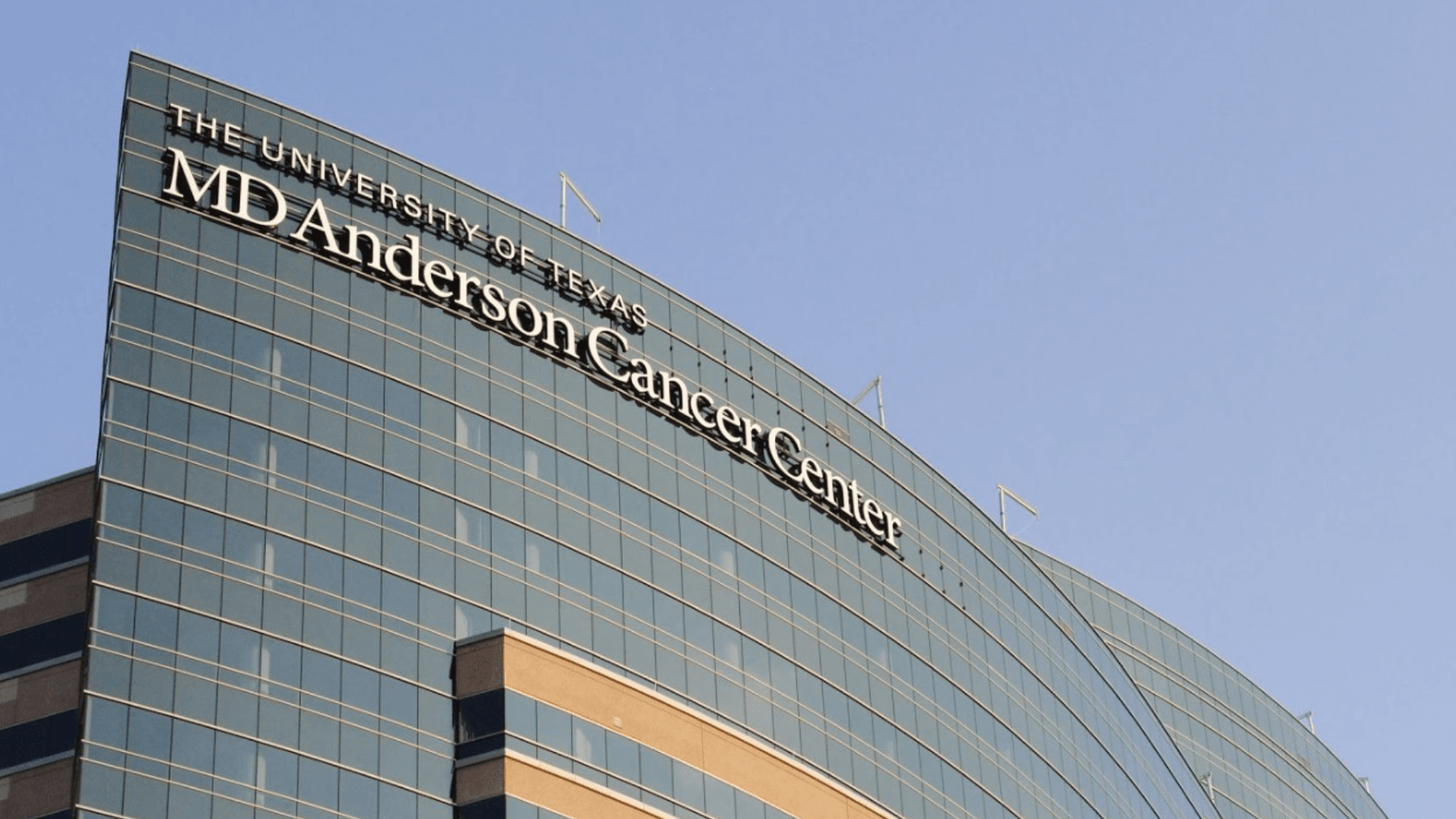
MD Anderson pioneered the innovative, extremely precise form of proton therapy known as pencil beam scanning. MD Anderson Cancer Center has been ranked one of the nation’s top two hospitals for cancer care by US News and World Report every year since 1990.
Pencil beam scanning is the most advanced form of proton delivery currently available. Rather than delivering a broad proton beam shaped to the tumour, pencil beam scanning delivers proton energy as a precise, narrow beam that moves across the tumour volume in a controlled pattern — essentially painting the dose onto the tumour with extraordinary accuracy. MD Anderson did not just adopt this technology. They developed it.
For international patients with complex solid tumours — particularly sarcomas, head and neck cancers, and cases involving prior radiation — MD Anderson’s Proton Therapy Center represents the most experienced institution in the world for many diagnoses.
MD Anderson patients have access to clinical trials offering promising new treatments that cannot be found anywhere else. For patients whose condition also makes them eligible for a clinical trial, the combination of proton therapy access and trial enrolment within a single institution is a significant clinical advantage.
MD Anderson has a dedicated international patient programme and a large existing patient population from the Middle East, India, and Latin America.
Francis H. Burr Proton Therapy Center — Massachusetts General Hospital, Boston
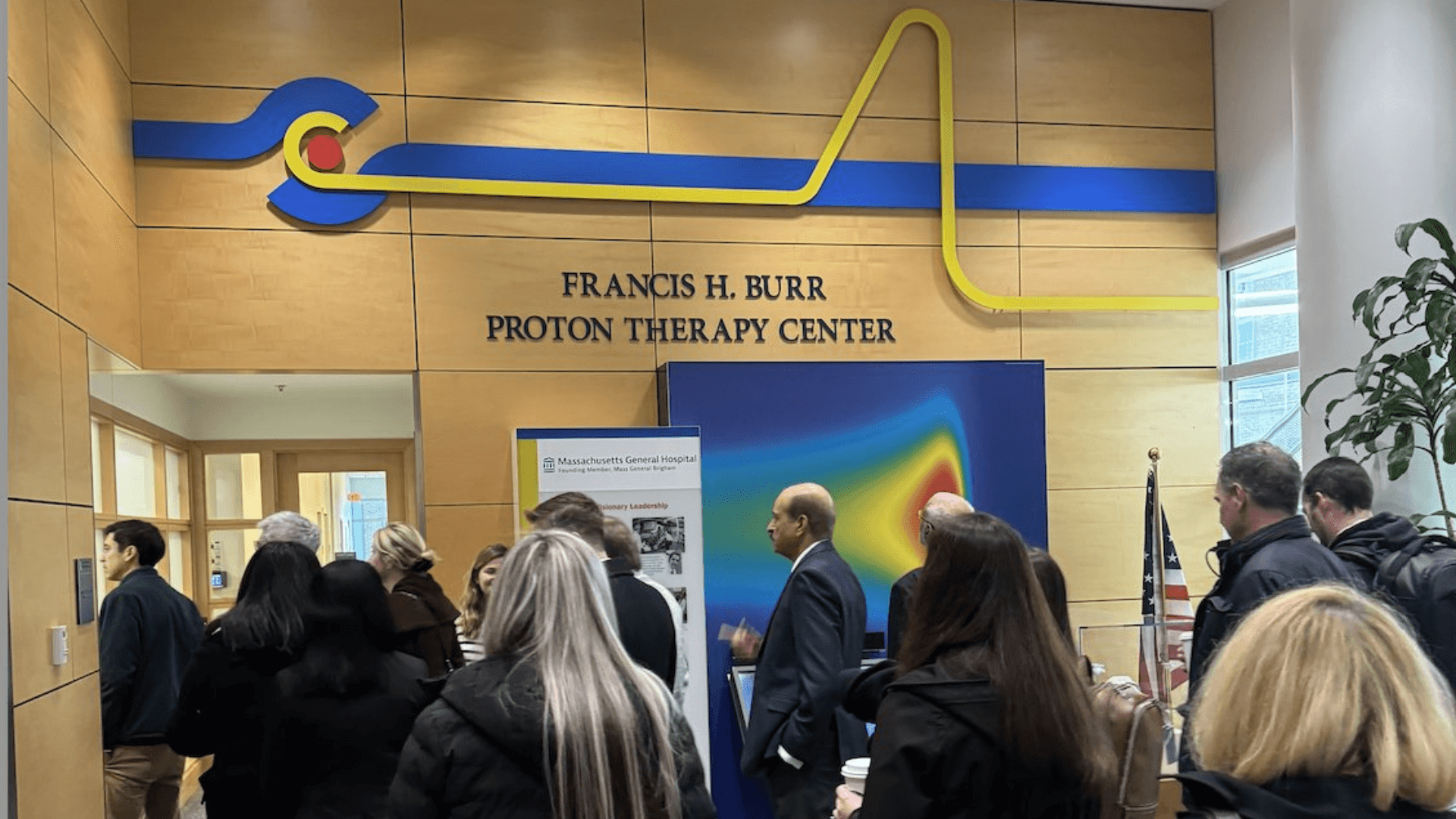
Massachusetts General Hospital houses one of the oldest and most distinguished proton therapy centres in the country. Established in 1961, the Francis H. Burr Proton Therapy Centre has made numerous contributions to the field, including pioneering research and state-of-the-art treatments. The clinical team at MGH has treated over 18,000 patients, offering a rich repository of case knowledge.
No proton therapy centre in the United States has the accumulated patient experience that MGH carries. Mass General Brigham is experienced in caring for proton patients who are travelling great distances to its hospitals in Boston. The cancer team and the international patient services team help patients prepare for and plan the appropriate amount of time to stay in Boston for appointments, treatments, and any recovery time. During recovery in Boston or back home, the clinical team monitors wellbeing and treatment progression to continuously optimise the treatment plan.
For complex neurological tumours, skull base malignancies, and paediatric brain cancers, MGH’s six decades of proton therapy experience is unmatched.
Johns Hopkins Proton Therapy Center — Sibley Memorial Hospital, Washington DC
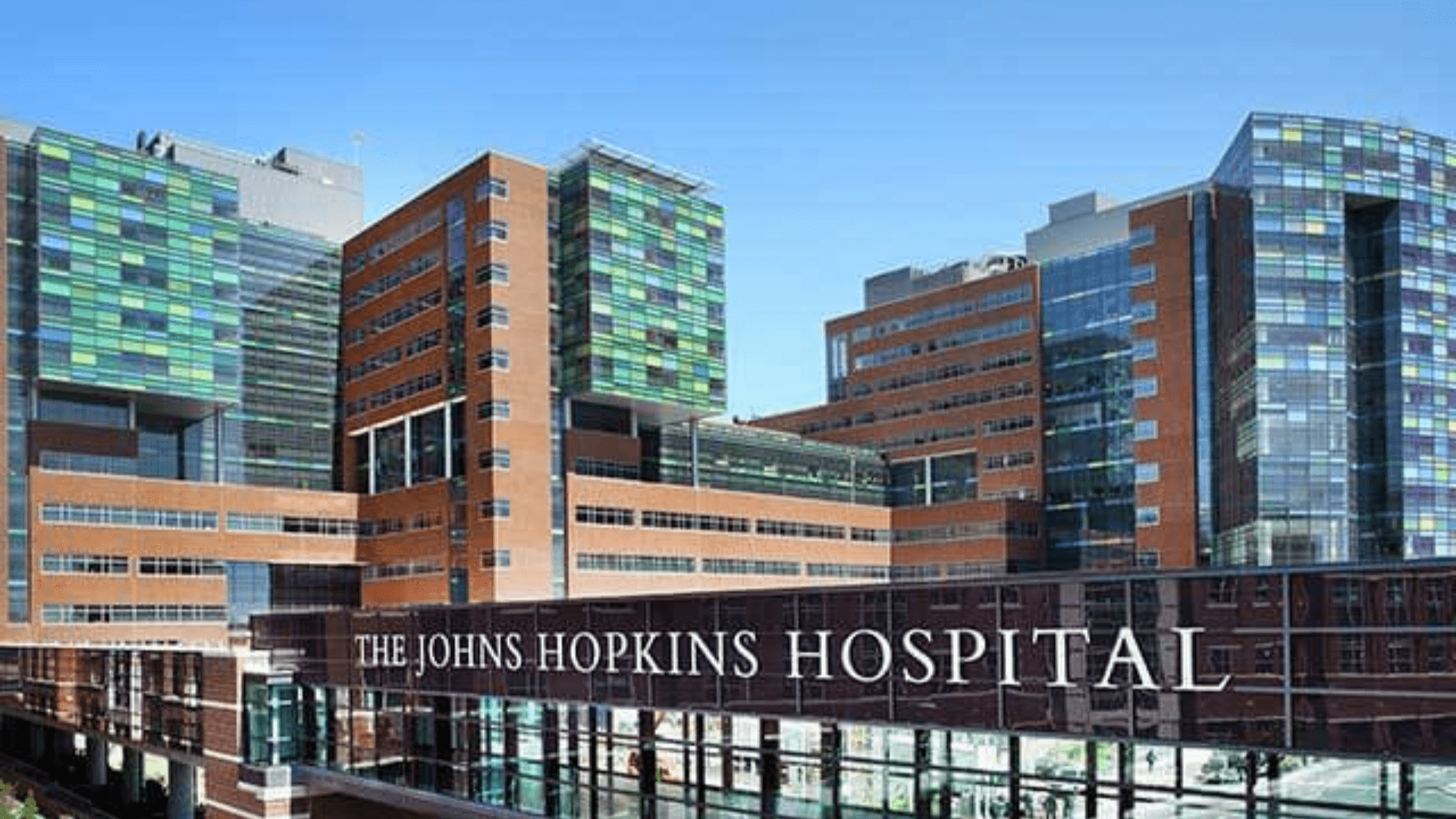
The Johns Hopkins Proton Therapy Center at Sibley Memorial Hospital in Washington DC, one of the largest in the US, offers personalised proton therapy treatments for children and adults with a wide range of cancers. Johns Hopkins Medicine and Children’s National provide paediatric radiation therapy at Sibley Memorial Hospital, including proton therapy. It is the first programme of its kind in the Washington DC region.
Proton therapy is best suited for cancers located near vital organs, where other treatment options may damage surrounding healthy cells. Johns Hopkins brings its world-renowned oncology expertise — particularly in brain, head, neck, and paediatric cancers — to one of the most technically advanced proton therapy facilities on the East Coast. The dedicated paediatric cancer team, which collaborates with Children’s National Hospital, makes this centre particularly significant for families travelling internationally with a child who has a cancer diagnosis.
Johns Hopkins has a long-established international patient programme with experience coordinating cases from the Middle East, India, and Africa.
Mayo Clinic Proton Beam Therapy Program — Rochester, Minnesota and Phoenix, Arizona
Mayo Clinic Proton Beam Therapy Centres are operational at both Rochester MN (2015) and Phoenix AZ (2016). For patients who are already accessing Mayo Clinic’s world-leading rare disease, neurology, or oncology services, having proton therapy available within the same institution creates a continuity of care that is difficult to replicate.
Mayo Clinic’s patient-centric coordination model means that a patient receiving a rare tumour diagnosis at Mayo’s Rochester campus can receive proton therapy, medical oncology, surgery, and clinical trial enrolment within a single, unified care plan. For international patients navigating a complex multi-modal treatment journey, the integration of services within one institution substantially reduces the logistical and clinical complexity of care.
Roberts Proton Therapy Center — Penn Medicine, Philadelphia, Pennsylvania
The Roberts Proton Therapy Center at Penn Medicine is one of the largest and most technically advanced proton facilities in the world and is a major clinical and research programme within the University of Pennsylvania’s health system. Penn’s particular areas of strength include head and neck cancers, lung cancers, and gastrointestinal malignancies.
Penn Medicine’s robust international patient infrastructure and its proximity to the East Coast international travel hub of Philadelphia make it a strong option for families coming from Europe, the Middle East, and Africa.
UF Health Proton Therapy Institute — Jacksonville, Florida
One of the earliest dedicated proton therapy centres in the United States, the University of Florida’s Institute in Jacksonville has accumulated substantial clinical experience across all major tumour sites. Its particular strength in prostate cancer treatment and its research output in head and neck cancer management have made it a reference centre for many national and international patients.
Northwestern Medicine Chicago Proton Center — Chicago, Illinois

Northwestern Medicine has five hospitals ranked among America’s Best, including Northwestern Memorial Hospital, the only Illinois hospital ranked number one for 14 straight years by US News and World Report. The Chicago Proton Center brings this institutional excellence to a dedicated proton therapy programme with a strong track record in central nervous system tumours and head and neck cancers.
How Much Does Proton Therapy Cost in the USA?
This is the question most families research first — and it deserves a direct, honest answer.
Proton therapy is more expensive than conventional radiation. This is primarily because the infrastructure required to operate a proton therapy centre is substantially more costly than that for a standard radiation oncology facility. A single-room proton treatment unit costs from US$30 to US$50 million, whereas conventional x-ray systems cost up to about US$6 million. Those capital costs are reflected in the treatment costs that patients pay.
The price varies based on the number of treatment sessions, the medical condition, and the healthcare facilities. In the United States, a full proton therapy course for an international patient typically ranges from approximately $30,000 to $120,000 depending on the cancer type, the number of treatment fractions required, the institution, and the complexity of the treatment planning involved.
For some conditions — particularly paediatric brain tumours and skull base tumours — the difference in long-term outcomes and the reduction in secondary treatment costs associated with proton therapy’s lower toxicity can make it cost-effective over the patient’s lifetime, even at higher upfront cost.
A critical point for international patients: the cost of treatment does not represent the total cost of accessing proton therapy in the USA. International families must also account for the duration of stay — proton therapy is typically delivered in multiple fractions over several weeks — as well as accommodation, living expenses, visa costs, and coordination fees if working with a medical concierge service.
MediPocket USA provides a full, transparent cost estimate before any family commits to a proton therapy journey. There are no hidden fees. No surprises on arrival.
Why Most International Cancer Patients Never Access Proton Therapy — and Why That Needs to Change
An estimated 50 percent of cancer patients could benefit from proton beam therapy, yet only less than 1 percent of radiotherapy patients currently receive it.
That number is one of the most important and underreported facts in global oncology. The majority of international patients who could benefit from proton therapy never receive it — not because their tumour is unsuitable, not because they cannot afford it, but because nobody told them it was available, accessible, or relevant to their case.
Despite growing awareness of the potential clinical advantages of proton beam therapy over conventional x-rays, global utilisation remains low. For patients in India, the UAE, Nigeria, and across Asia, where domestic proton therapy infrastructure remains limited, this gap between clinical need and clinical access is particularly significant.
This is the gap MediPocket was built to close.
How to Access Proton Therapy in the USA as an International Patient
Getting from a cancer diagnosis in your home country to a proton therapy course at MD Anderson or Johns Hopkins is not a simple process if you attempt it unguided. It requires a referral-level medical record submission in specific institutional formats, a clinical assessment to confirm proton therapy eligibility, priority scheduling coordination, B-2 Medical Visa documentation, and a logistics plan that accounts for the duration of your stay.
Here is how MediPocket handles this for international patients, step by step.
Step one: Case submission. You submit your complete medical records, imaging, pathology reports, and biopsy results through MediPocket’s HIPAA-compliant platform. This takes approximately 20 minutes. Your records do not need to be in English — MediPocket’s team handles all clinical translation and formatting.
Step two: Specialist review and proton eligibility assessment. Within 24 hours, MediPocket’s physician-led team and Dr. AI review your case. A US radiation oncologist with subspecialty expertise in proton therapy assesses whether your tumour type, location, and stage make you a candidate for proton therapy specifically. This is not a generic eligibility form — it is a clinical review of your specific case.
Step three: Institution matching. Not every proton centre is the best fit for every cancer type. MD Anderson is the strongest institution for certain solid tumour sarcomas and head and neck cases. MGH has the deepest experience in paediatric brain tumours and skull base malignancies. Johns Hopkins carries particular strength in neuro-oncology. MediPocket matches your specific diagnosis to the institution with the deepest expertise in treating your condition.
Step four: Logistics coordination. Once your case is accepted, MediPocket’s Platinum Concierge team coordinates your B-2 Medical Visa documentation with the required hospital invitation letter, your private travel arrangements, and curated accommodation near your treatment centre. Proton therapy courses typically run from 3 to 8 weeks of daily treatments. MediPocket coordinates every aspect of your stay throughout that period.
Step five: On-ground support. Your personal MediPocket care coordinator is with you throughout your US stay. Every appointment, every administrative interaction, every question about your treatment plan, every communication between your US radiation oncologist and your home-country physician — managed entirely by your dedicated coordinator.
Step six: Post-treatment continuity. When you return home, your US clinical team provides a complete, detailed handover to your local physician. MediPocket coordinates follow-up imaging reviews and ongoing communication between your US team and your home-country oncologist.
Questions International Patients Ask About Proton Therapy in the USA
What is the difference between proton therapy and conventional radiation? Conventional radiation therapy uses x-ray photons, which deposit radiation both before and after the tumour. Proton therapy uses charged proton particles that stop at the tumour and deposit most of their energy at that precise point, substantially reducing radiation exposure to surrounding healthy tissue.
Who is a good candidate for proton therapy? Patients whose tumours are located near critical structures — the brain, spinal cord, eyes, heart, salivary glands, or major blood vessels — are the strongest candidates. Paediatric patients with any cancer involving the central nervous system are among the most consistently indicated population. Patients with head and neck, brain, spine, lung, prostate, liver, and breast cancers are also commonly treated.
Do I need to travel to the USA for proton therapy? Yes. Proton therapy is a physical treatment that requires being present at a dedicated proton therapy centre. Unlike a second opinion, which can be delivered remotely, proton therapy itself requires an extended stay at the treating institution in the United States.
How long does a proton therapy course take? The duration depends on the tumour type and treatment plan. Some courses involve as few as 5 fractions over one week. Others involve 25 to 35 fractions over five to seven weeks of daily treatments. Your US radiation oncologist will specify the course length once your case has been reviewed.
Can I access a clinical trial alongside proton therapy in the USA? Yes. Several US proton therapy centres, particularly MD Anderson and MGH, have active clinical trials that involve proton therapy as part of the treatment protocol. MediPocket screens international patients for clinical trial eligibility as part of the case review process.
How do I pay for proton therapy in the USA as an international patient? Most international patients pay directly. MediPocket negotiates transparent cost estimates with the treating institution before any financial commitment is made. For patients with international health insurance that includes US treatment coverage, MediPocket can assist with coverage verification.
Is proton therapy available without travelling to the USA? Proton therapy is available in a limited number of countries outside the United States, including Japan, South Korea, Germany, and the UK. However, the clinical experience, research infrastructure, and trial access available at US centres — particularly at MD Anderson and MGH — is not replicated elsewhere.
The Bottom Line
Proton therapy is not the right treatment for every cancer patient. But for those whose diagnosis and anatomy make them candidates, it offers a level of precision and a reduction in long-term treatment toxicity that conventional radiation cannot match.
The United States has more proton therapy centres, more accumulated clinical experience, and more active research in proton oncology than any other country in the world. For international patients who qualify, this treatment is not unreachable — but accessing it requires expert navigation.
Although proton beam therapy availability is increasing worldwide, the global burden of cancer is growing, and many barriers still prohibit widespread adoption. The most significant barrier for international patients is not cost or eligibility. It is the absence of someone who knows the pathway and can walk it with them.
That is what MediPocket does.
If you or a family member has received a cancer diagnosis and your treatment plan includes radiation therapy, ask one question before you agree to anything:
Is proton therapy right for this case?
We will find out. Personally. Within 24 hours.
📩 Contact MediPocket USA: health@mymedipocket.com 💬 WhatsApp: +1 931-330-5199 🌐 Begin your case: www.mymedipocket.com
MediPocket USA is the world’s first physician-led cross-border care concierge, connecting international patients from India, UAE, Africa, Asia, and Latin America to America’s top hospitals and specialists for second opinions, proton therapy, clinical trials, and end-to-end medical concierge coordination.